Innovative Market Trends: 662999308, 8174761844, 680666550, 6782758954, 689683072, 4048064811
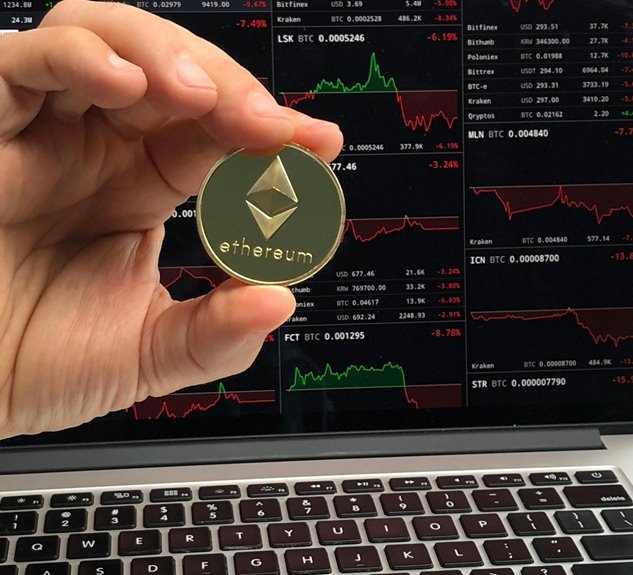
The landscape of innovative market trends is undergoing a profound transformation, driven by technological advancements and shifting consumer preferences. Businesses now prioritize authenticity and sustainability, employing tools like AI and blockchain to enhance personalization. As demographics evolve, companies face the challenge of aligning their offerings with diverse consumer values. This dynamic environment raises questions about how firms can effectively navigate these changes to ensure growth and trust in a competitive marketplace. What strategies will emerge as critical in this adaptive process?
Understanding the Significance of Consumer Behavior Trends
As consumer preferences evolve in response to changing societal values and technological advancements, understanding consumer behavior trends becomes imperative for businesses aiming to maintain a competitive edge.
Analyzing purchasing habits reveals the impact of social influences on brand loyalty, while effective market segmentation allows companies to forge emotional connections.
Recognizing these dynamics enables businesses to adapt strategies that resonate with consumers’ desires for authenticity and freedom.
Technological Advancements Shaping Market Dynamics
How are technological advancements reshaping market dynamics in today’s economy?
AI innovations drive efficiency and personalization, while blockchain integration enhances transparency and trust.
Cloud computing offers scalable solutions, fostering agility.
Automation trends streamline operations, reducing costs, and IoT applications enable real-time data collection.
However, robust cybersecurity measures are essential to safeguard these technologies, ensuring market participants can confidently embrace innovation without compromising security.
The Role of Data Analytics in Business Strategy
Leveraging data analytics has become a pivotal component of modern business strategy, enabling organizations to make informed decisions based on empirical evidence.
Through data visualization, businesses can interpret complex datasets effectively, while predictive modeling allows them to forecast trends and behaviors.
This analytical approach empowers companies to optimize operations, enhance customer experiences, and ultimately drive sustainable growth in a competitive landscape.
Future Implications for Various Industries
While industries continue to evolve in response to technological advancements and shifting consumer preferences, the future implications of these changes are profound and far-reaching.
Sustainable practices will become imperative, driven by consumer demand for environmentally responsible products.
Additionally, demographic shifts will necessitate adaptive strategies, compelling companies to innovate and cater to diverse populations, ultimately reshaping market dynamics and fostering inclusive growth across various sectors.
Conclusion
In the ever-evolving marketplace, businesses are akin to skilled navigators charting a course through uncharted waters. Just as a sailor relies on the stars for guidance, companies must harness technology and data analytics to illuminate consumer preferences and market trends. A recent study revealed that 78% of consumers prioritize sustainability in their purchasing decisions, underscoring the need for businesses to adapt or risk being adrift in a sea of competition. Embracing innovation is no longer optional; it is essential for survival.